Building a raised bed is the single most impactful thing you can do for your kitchen garden. Better drainage, better soil control, fewer weeds, and more productive growing space — all in a weekend's work.
Why Raised Beds Work So Well
Traditional in-ground gardening forces you to work with whatever soil your garden has — and for most people in urban and suburban homes, that soil is compacted, nutrient-poor, and full of debris. A raised bed changes the equation entirely. You fill it with exactly what you want: a rich, well-draining mix of topsoil, compost, and organic matter. The result is a root environment so perfect that plants genuinely grow twice as fast and produce dramatically more than they would in the ground.
What You'll Need
For a standard 1.2m × 2.4m raised bed, you'll need: • 4 planks of untreated hardwood, 30cm wide • 4 corner brackets or posts • Screws (stainless steel, won't rust) • Weed-suppressing membrane • Filling mix (see below) Avoid pressure-treated or chemically treated timber — the preservatives can leach into your soil and plants.
Garden Tip: The ideal depth is 30cm. This gives most vegetable roots enough space and keeps the weight manageable.
The Perfect Filling Mix
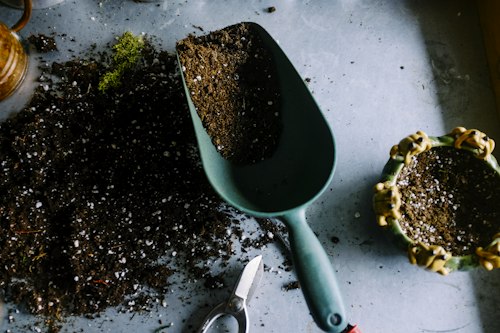
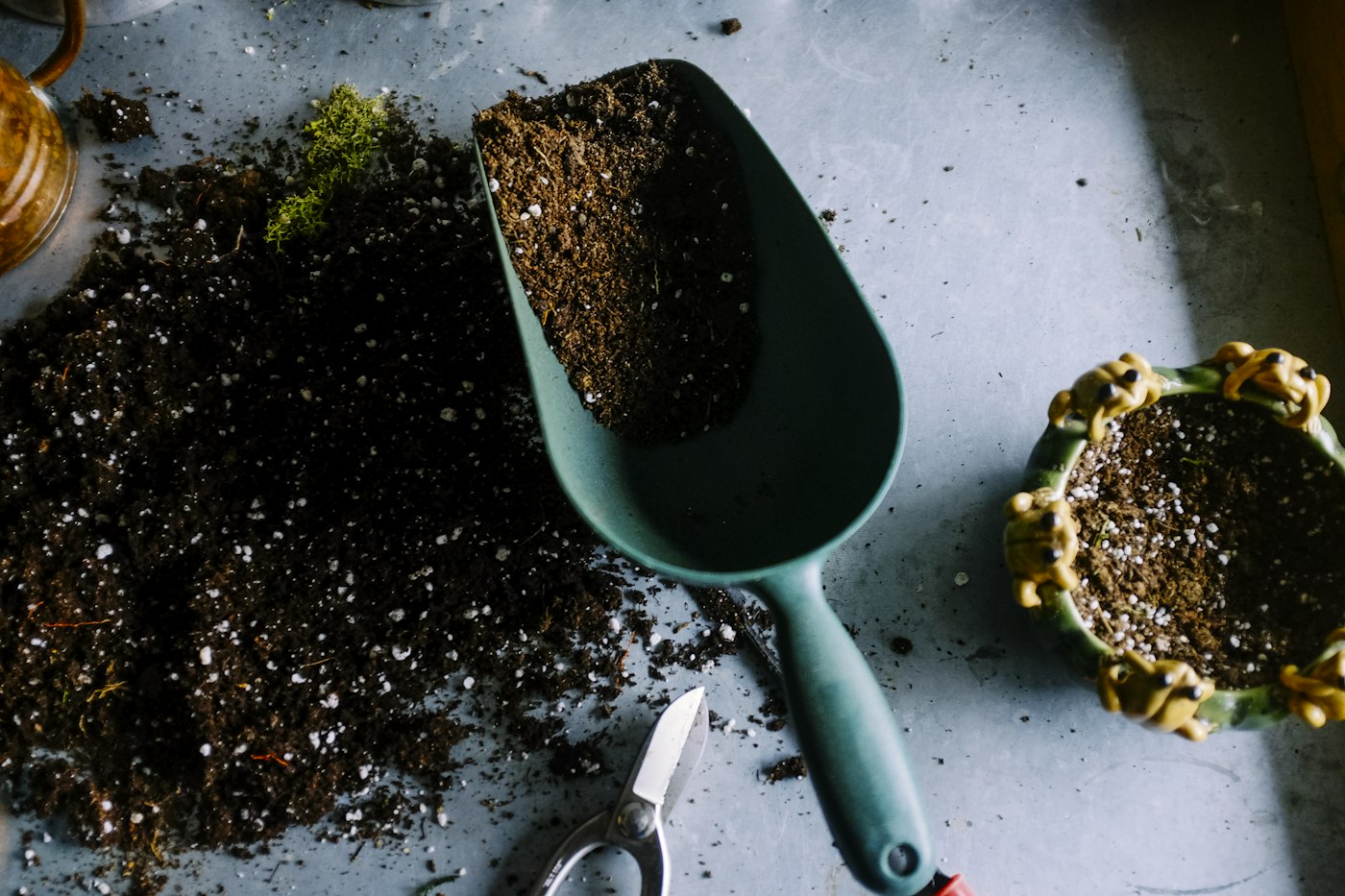
The mix you fill your bed with is where raised bed gardening really wins. Our recommended ratio: • 60% good quality topsoil • 30% homemade or bagged compost • 10% horticultural grit or perlite This creates a mix that holds moisture without waterlogging, drains freely, and is loaded with nutrients. Don't be tempted to skimp here — the filling is the entire point of a raised bed.
Garden Tip: Add a 5cm layer of well-rotted manure at the bottom of the bed before filling. It decomposes slowly and feeds the soil for years.
What to Plant First
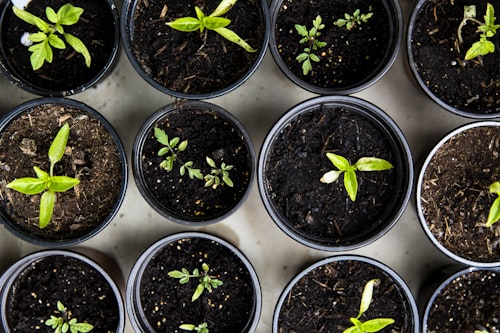
For a first raised bed, stick to reliable, fast-rewarding crops: 🥗 Salad leaves: You'll be eating in 3 weeks. 🥕 Radishes: Ready in 25 days — instant gratification. 🌿 Herbs: Basil, parsley and chives thrive in raised beds. 🍅 Tomatoes: One plant per 45cm, with support from day one. Avoid brassicas for your first season — they take more space and more experience than the reward justifies as a beginner.
Maintaining Your Raised Bed
The work after building is minimal, which is one of the great joys of raised bed gardening: • Water deeply twice a week in dry weather (mornings only) • Top up with 5cm of compost each spring • Weed when you see them — it's a small area and weed pressure is far lower than in-ground • After each crop, add a handful of granular fertiliser before replanting Do these things and your raised bed will outperform any in-ground vegetable patch you've ever grown in.
Garden Tip: Mulching the surface with straw or bark in summer dramatically reduces watering needs and suppresses weeds.

Sophie Green
Contributing WriterSophie has been growing vegetables for 12 years across three continents. She writes about practical, no-fuss gardening that actually works.